In this guide
Why Santo Domingo
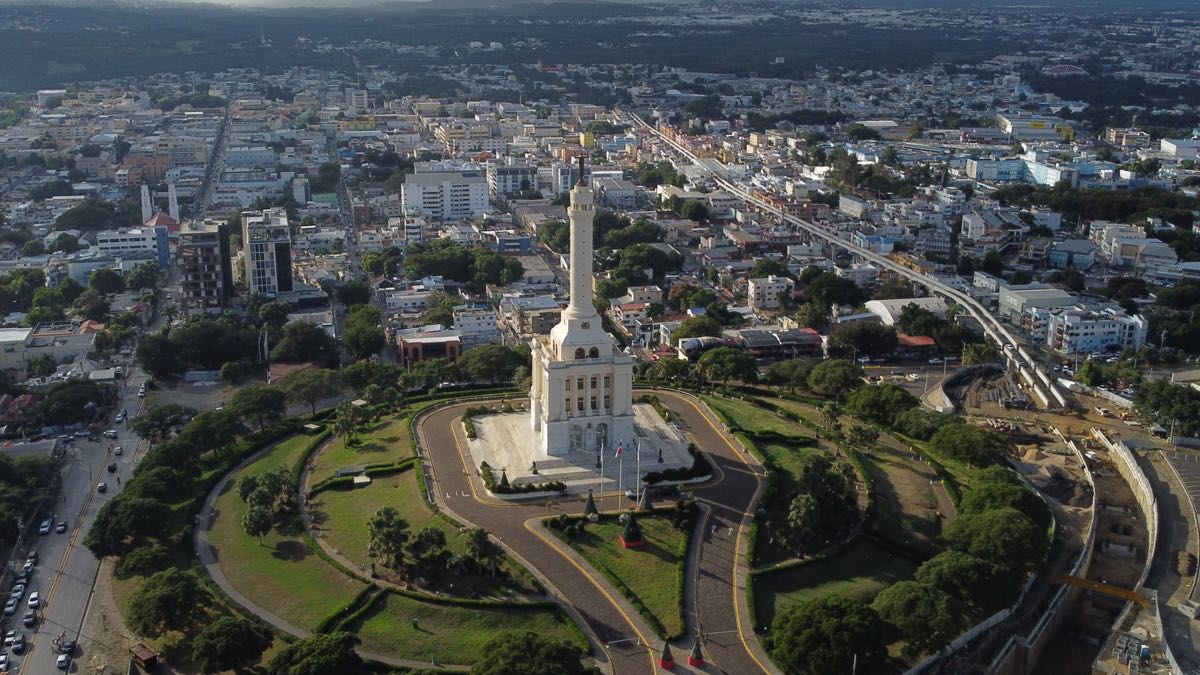
Santo Domingo is not the market for those seeking the highest vacation rental yield. It's the market for the lowest vacancy, the most solvent tenant and the most predictable demand in the country.
The capital has what no coastal market can replicate: embassies, nationally reference private hospitals, top-tier universities, multinational headquarters and the country's financial ecosystem. This generates long-term corporate and residential rental demand that doesn't disappear in low season — because Santo Domingo has no low season.
The condo market showed approximately +7% YoY and +14% over two years in 2026 market data. The prime Central Polygon zones — Piantini, Naco, Evaristo Morales, La Esperilla — have the lowest vacancy risk. (TheLatinvestor)
Market dynamics
| Zone | 2026 quality 2BR floor | 12-month outlook |
|---|---|---|
| Solid urban zones | US$190k–$230k | 0%–5% citywide average |
| Piantini / Naco / La Esperilla (new) | US$250k–$380k | +5%–8% prime zones |
| Periphery / outer zones | Variable | Flat or negative |
Inventory: 25%–35% pre-construction, 65%–75% resale. New buildings typically price 10%–25% above equivalent resale. The market is more balanced than tourist markets. (TheLatinvestor)
The key metric is not ADR — it's proximity to the Central Polygon. Every kilometer from Piantini/Naco adds vacancy and reduces tenant profile quality.
Rental performance
Santo Domingo is not a high-ADR short-term rental market. Public data shows ADR of roughly US$71–$81 and occupancy in the mid-30s to low-50s on Airbnb depending on source and neighborhood. (AirDNA)
The real value is in long-term rental:
- 2BR condos in Piantini/Naco: US$1,200–$2,200/month depending on amenities and floor.
- Annualized vacancy in prime zones: 3%–8% with a corporate or embassy tenant.
- Estimated net yield on long-term rental: 3.5%–5.5%, with less volatility than any coastal market.
Tenant profile: corporate executives, embassy and consulate staff, medical professionals, long-term users, expat families.
Key zones
Piantini
The reference neighborhood for corporate investment. Banks, premium restaurants, consulates and the country's most sought-after hospital (Cedimat, HOMS) within walking distance. Lowest vacancy in the market. Highest entry price in the Polygon.
Naco
Solid alternative to Piantini with more accessible entry prices. High density of offices, restaurants and services. Good resale liquidity.
Evaristo Morales / La Esperilla / Serrallés
Premium residential neighborhoods with lower commercial density than Piantini/Naco but greater tranquility. Attractive for families and long-term professionals. Prices rising on resale demand for quality units.
Bella Vista / Paraíso
South of the Polygon. More accessible prices, good connectivity, residential/commercial mix. Entry options for investors with lower budgets without leaving the core demand zone.
Infrastructure 2026
Metro Line 2C
The Line 2C extension began operations in February 2026, connecting María Montez with Los Alcarrizos and improving mobility in western Santo Domingo. (Dominican Today) Opens appreciation corridors adjacent to the new stations for investors with a 5+ year horizon.
Central Polygon — Zoning
Santo Domingo is more permissive than Las Terrenas for vertical construction. The Central Polygon is governed by urban planning rules and sub-zones that allow taller buildings. This explains the capital's vertical skyline — and also the risk of oversupply in specific sub-zones if the pre-construction pipeline is high. (Scribd)
CONFOTUR in Santo Domingo
CONFOTUR is not the main thesis in Santo Domingo. Some hotel or mixed-use/tourism projects may qualify, but the vast majority of residential condos in Piantini, Naco and Evaristo do not — and should not be underwritten with that expectation.
Investment in Santo Domingo is justified by structural demand, not tourist tax benefits.
Risks and considerations
- Lower vacation rental yield: if the goal is maximizing STR income, Punta Cana or Puerto Plata offer better ADR and tourist occupancy. Santo Domingo is for stability, not explosive yield.
- Localized oversupply risk: some sub-zones with high pre-construction activity may have temporary saturation. Evaluate the pipeline in the specific zone before buying.
- Micro-location is critical: in Santo Domingo, 1 km makes the difference between a corporate tenant and 3 months of vacancy. Don't buy "generic Santo Domingo" — buy a specific address.
- Traffic: Santo Domingo's congestion is real and affects tenants' perception of location. Properties with direct access to main avenues or near metro stations have an advantage.
Buying process
Identical to the rest of the country:
- Legal due diligence (2–3 weeks): title, owner, liens, permits and land use sub-zone verification.
- Purchase agreement before a notary (1 week).
- Title transfer at the Registro de Títulos (2–4 weeks).
Foreigners own 100% without residency requirements. Additional step: RNC (tax registration). Annual IPI: 1% on value above RD$10,695,494 (~US$174k). In Santo Domingo, CONFOTUR rarely applies — build your financial model without that exemption. (DGII)
How to get started
- Anchor in the Central Polygon: Piantini, Naco, Evaristo Morales, La Esperilla. Every kilometer outside the core adds vacancy risk.
- Define your target tenant profile: corporate (long-term, solvent, lower yield) vs. STR (higher ADR but more volatile and operationally intensive).
- Request your Investment Snapshot: we'll connect you with the broker specialized in Santo Domingo and send you an analysis of available projects and resales in the highest-demand zones.